Why is my dog scared of the bath?
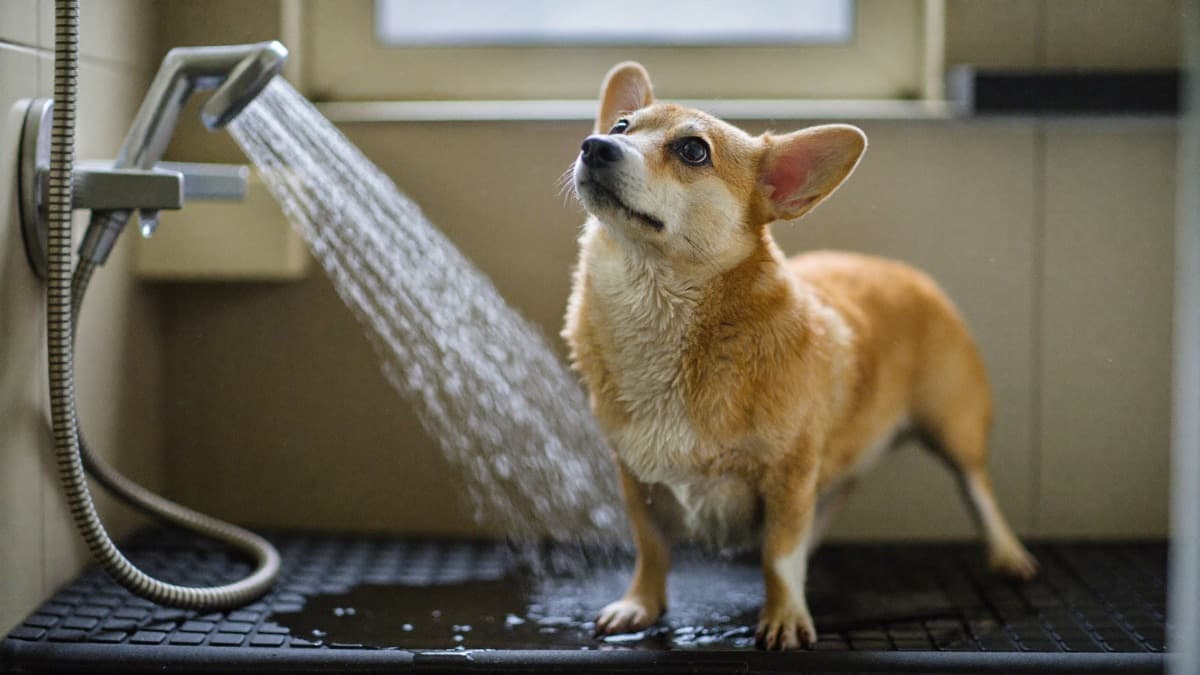
Rank the suspects in this order. Slipping comes first: wet tiles and smooth bathtubs give claws nothing to grip, and a dog that has scrambled and skidded once braces for it every time after. Restraint is second — being held by the collar in a corner removes the option to leave, and removing escape is what turns dislike into panic. Water at the face is third: cascading water over eyes and ears is genuinely disorienting, and ears that get water inside them can develop painful infections that make the whole event memorable for the wrong reasons. Actual fear of water itself is the rarest cause — which is why the same dog that flees the bathroom will happily stand in the rain.
Does cool water help in the tropics?
Yes, and it's one of the easiest wins available. In Singapore and Malaysia heat, a cool-to-lukewarm bath is closer to relief than punishment, and plenty of dogs that resist warm water will stand calmly under cool water on a hot afternoon — especially after a walk, when it doubles as cooling. Skip genuinely cold water for puppies, elderly dogs and skinny thin-coated dogs, but for most adult dogs here, tepid is the preference, not a compromise. Bathing outdoors at a hose tap or in a corridor-friendly basin, where there's no slippery enclosed room at all, works with this rather than against it.
What should I fix before the water goes anywhere near the dog?
The floor. A rubber non-slip mat (around S$10–30 / RM20–60 as of 2026) in the tub or on the bathroom tiles changes the experience more than any other single purchase, because it returns the dog's footing — and with footing comes the feeling of control. Add a second mat outside the tub for the exit. Then remove the ambush factor: keep the shower head low and against the body rather than raining from above, do the head last with a wrung-out cloth instead of the spray, and plug ears loosely with cotton if your dog tolerates it.
How does the lick-mat method work?
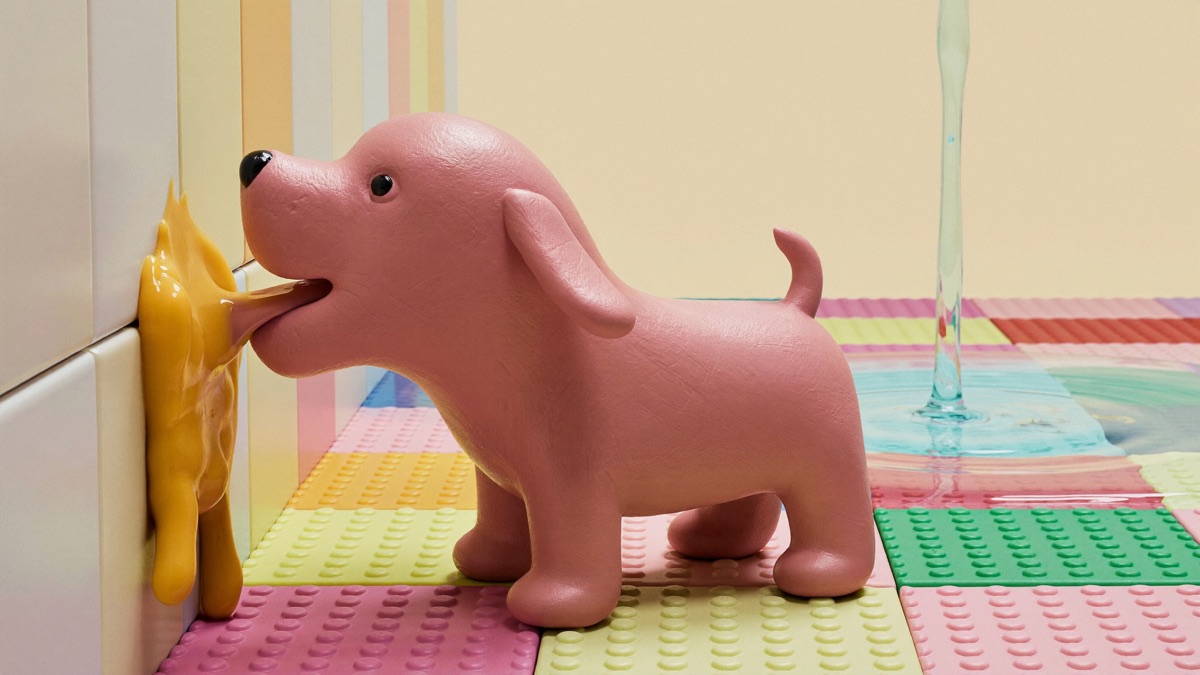
Smear a lick mat — or the tile wall itself — with xylitol-free peanut butter or wet food, stuck at nose height, and let your dog lick while everything else happens far away. Licking is self-soothing, keeps the head up and still, and gives you an honest gauge: a dog that stops licking has gone over threshold, and that's your signal to reduce the water, the noise or the proximity, not to hurry up and finish. Suction-cup lick mats made for showers cost around S$8–25 / RM12–50 as of 2026; a smear straight onto a clean tile works identically. Check the label on the peanut butter — xylitol is toxic to dogs.
What is the gradual soak ladder?
Climb one rung per session, with the lick mat loaded on every rung:
- Dry bathroom picnics. In the bathroom or bath area, mat down, treats happen, everyone leaves dry. Repeat until boring.
- In the empty tub or on the wet-area mat, still dry, licking the mat. Duration builds from seconds to a few minutes.
- Water sounds only. Tap or shower running into the drain, pointed away from the dog.
- An inch of standing water around the paws, or a slow pour from a jug over the paws only.
- Pour or spray from paws upward — legs, then body, head never first and always last.
- Full bath with shampoo, kept short, ending on the lick mat before the fear budget runs out.
A dog that eats through every rung is a dog learning that baths are survivable, then fine, then — for many — genuinely pleasant.
What if the panic starts after the bath, at drying time?
Then the bath was never the problem — the dryer was, and the bath just predicts it. High-velocity and household dryers are loud, and towelling can turn into unwanted restraint. Separate the two events: after rung six, towel gently and let your dog air-dry in a breezy spot while snacking, and treat dryer noise as its own training project — the step-by-step dryer desensitisation plan is in our grooming fear guide. In our humidity, do make sure the coat dries fully one way or another, because a persistently damp undercoat invites the skin problems this climate is famous for. And don't bathe more than the coat needs — our guide to how often to bathe your dog covers sensible schedules, because fewer, better baths beat frequent frightening ones.