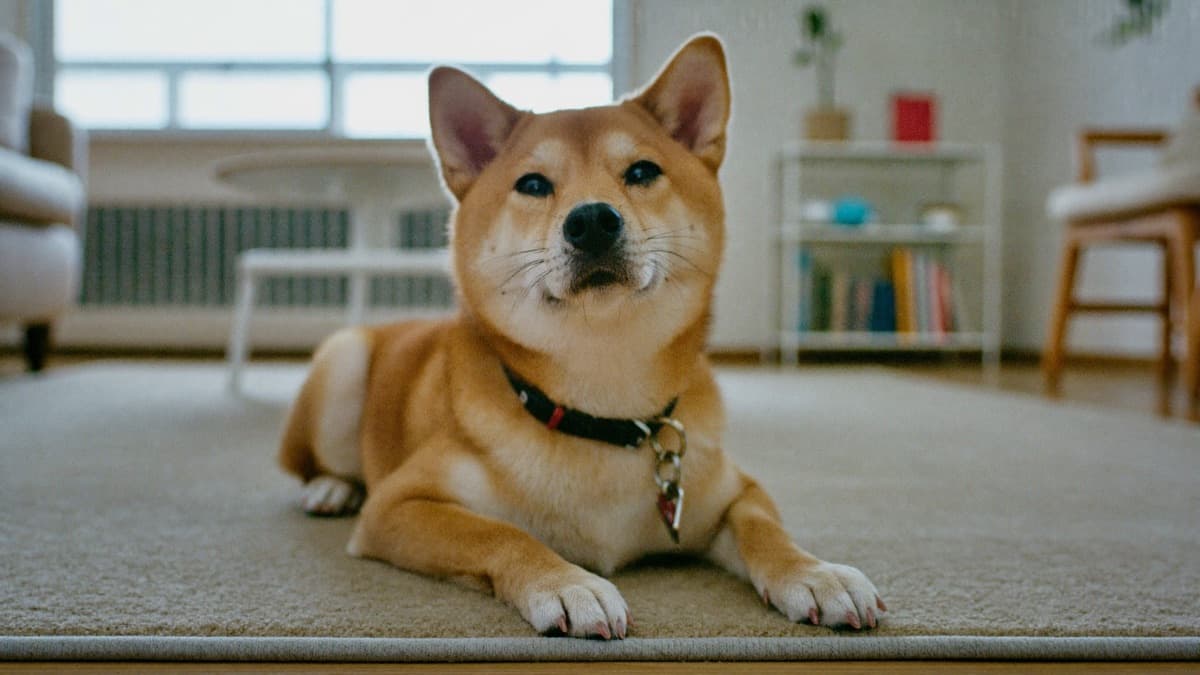
Why does my dog ignore cues he knows?
Three explanations cover nearly every case, and stubbornness isn't one of them.
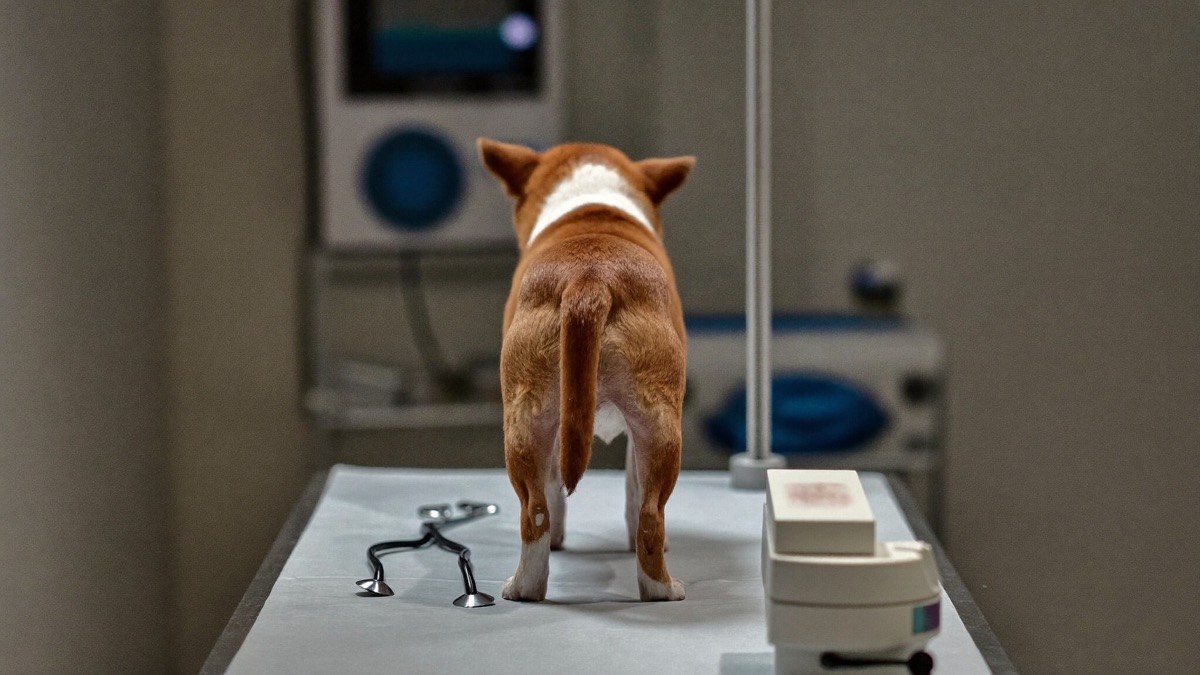
The dog is over threshold. Fear and high arousal shut down the thinking brain. A frightened dog physically cannot process "sit" any more than you could solve arithmetic mid-fire-alarm. This is the vet-clinic classic: trembling on a slippery steel table, surrounded by antiseptic smells and stranger hands, the dog isn't declining your request — the request isn't arriving. Our dog anxiety signs guide lists what the shutdown looks like from the outside.
The cue was never fully learned. Dogs generalise poorly: "sit" taught in the living room means, to the dog, that word, in that room, with you standing in that posture. Take it to a busy park and you've changed the question. This is a training gap, not attitude — our basic commands guide covers proofing cues across locations and distractions.
The bucket is full. After a stressful morning, a dog's capacity to respond shrinks — see trigger stacking. Yesterday's reliable recall can fail today for reasons that have nothing to do with respect.
Notice what's missing: the dominance story. A dog does not blow off a known cue to make a point about hierarchy. "He's being dominant" has sold a lot of shock collars; it has never once been the parsimonious explanation.
What is the can't-vs-won't test?
Before labelling any failure "disobedience", run three quick checks:
- Check the body. Loose, wiggly, ears neutral, mouth soft? Probably a training gap. Tight mouth, weight shifted back, tucked tail, lip licks, scanning for exits? That's fear — see our dog body language guide.
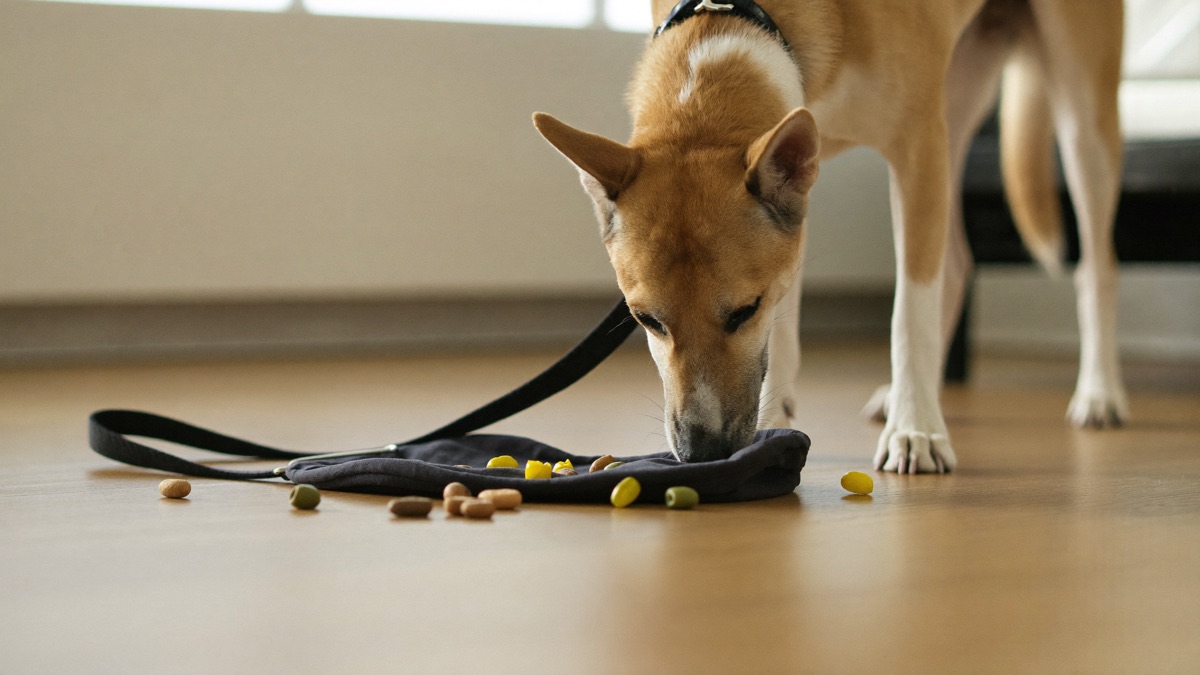
- Check the food. Offer a treat the dog normally loves. Eager eating suggests the dog is comfortable and just confused about the ask. Refusing chicken means over threshold — full stop. Nothing about that dog's behaviour in the next five minutes is "voluntary" in the way owners mean.
- Lower the bar. Ask for something drastically easier — a hand-touch, one step towards you, at more distance from whatever's worrying the dog. If the easy version works, you've found the real level; build from there. If even that fails, this isn't a training moment at all: add distance and let the dog recover.
A useful shorthand: won't looks relaxed and opportunistic; can't looks tense and shut down. When in doubt, assume can't — the cost of wrongly assuming fear is a few wasted treats; the cost of wrongly assuming defiance is everything that follows.
Why does punishing a fearful dog backfire so badly?
Because you're adding the problem to the problem. Punish a dog that failed through fear and, per AVSAB's review of the evidence, you reliably get more fear, more stress and a raised risk of aggression — while the original cue gets no stronger, because fear was blocking learning in the first place.
The damage compounds in a particularly nasty way: the punishment arrives when the dog is already frightened, so the lesson that actually lands is "when I'm scared, my owner becomes dangerous too". The dog's one safe harbour joins the list of threats. Suppression can also look deceptively like success — the whining and baulking stop — but you've silenced the smoke alarm, not put out the fire, and silenced alarms resurface as bites. It's the same mechanism that turns punished growls into "no-warning" dogs, covered in our calming signals guide.
What is cue poisoning?
A poisoned cue is a command that has come to predict bad things, so the word itself now triggers avoidance. Shout "come" and then bathe, medicate or scold the dog often enough, and "come" stops meaning chicken is likely and starts meaning something unpleasant is coming — the dog hesitates, arcs away, or develops selective deafness that looks exactly like defiance. Recall is the classic casualty, which is why our recall training guide is adamant that coming to you must never be followed by anything the dog hates.
The repair is rarely "retrain harder" — a poisoned cue carries its bad prediction like a stain. Pick a fresh word, teach it from scratch with excellent pay and zero ambushes, and retire the old one. And if the "disobedience" clusters around one context — the clinic, the lift lobby, other dogs — treat the fear itself with desensitisation and counterconditioning: change the emotion, and the "stubborn" dog who couldn't sit at the vet quietly becomes the dog who can.