Use S$ for Singapore or RM for Malaysia throughout your calculation. The worksheet below helps organise quotes; its worked example is invented to explain the arithmetic, not a market average or a minimum care budget.
Start with the guide for your country
- Singapore: use the Singapore dog-cost guide for local cost categories and licence examples, or open the calculator in S$.
- Malaysia: use the Malaysia dog-cost guide for local budgeting questions, or open the calculator in RM.
The calculator offers illustrative scenarios for size, coat, buying or adopting and other choices. It is not a supplier quote. You can enter an adoption fee and extra initial-care allowance; compare the other displayed allowances with your own quotes. Its 13-year total is a constant-cost scenario, not a lifespan prediction, and excludes inflation and emergency treatment.
Make a quote worksheet before adding up
Scroll sideways to compare all columns →
| Budget line | What to record | How to count it |
|---|---|---|
| Buying or adopting | Written price, included procedures and any separate charges | Once, at the start |
| Initial veterinary care | Clinic estimate for care your vet recommends that is not already included | Once for each initial item; list later care separately |
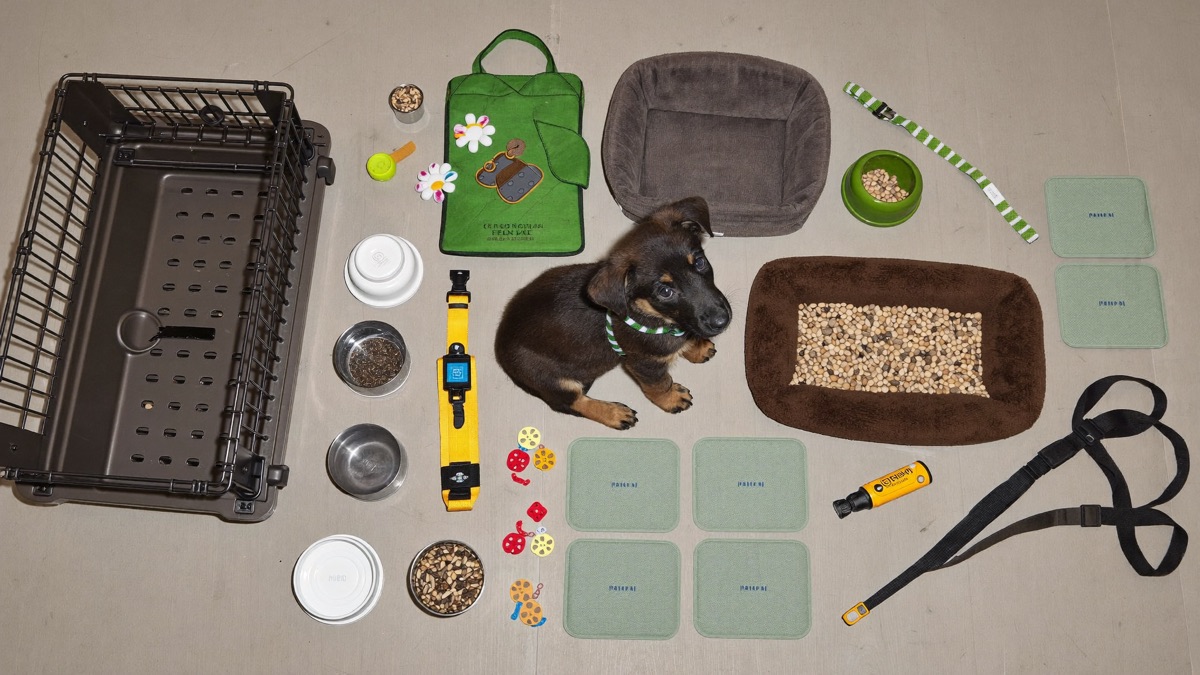
| Equipment | Your planned bed, carrier, lead, bowls and other supplies | Initial purchase once; replacements separately |
| Food and routine supplies | Product price and the quantity you expect to use | Monthly spending × 12 |
| Planned veterinary care and grooming | Quote and planned number of visits; ask what each price includes | Price per visit × planned visits |
| Insurance, if chosen | Your personalised premium and the costs you would still pay yourself | Monthly premium × 12, or annual premium once |
| Licence | Applicable fee and period covered | Count a one-time fee once; include renewal only when due |
| Boarding, walking or sitting | Rate, planned nights or visits, transport and other extras | Rate × planned use, plus quoted extras |
For a Singapore licence, use the applicable category in the official AVS fee table, checked 26 October 2026. It distinguishes age, sterilisation status, the number of cats and dogs kept, licence duration and eligible rebates. Do not use one fee for every household.
For adoption, ask which procedures are included and request the animal's records before adding initial-care costs. Our Singapore adoption guide helps compare organisations and their stated inclusions. A waived adoption fee does not establish a zero care budget.
Worked example: keep the first year and monthly allowance consistent
Suppose your own worksheet contains these hypothetical amounts in one currency:
Scroll sideways to compare all columns →
| Part of the budget | Calculation | Total |
|---|---|---|
| One-time costs | Your combined initial quotes | 1,200 |
| Regular monthly spending | 250 × 12 | 3,000 |
| Separate annual bills | Not included in the 250 monthly figure | 600 |
| First year | 1,200 + 3,000 + 600 | 4,800 |
| Ongoing year at the same costs | 3,000 + 600 | 3,600 |
| Monthly allowance for ongoing care | 250 + (600 ÷ 12) | 300 |
These numbers demonstrate the method in either S$ or RM; they are not currency conversions, price evidence or recommended spending. Emergency treatment, inflation and changes in care are excluded. Future equipment replacements or other new costs must be added when relevant.
A monthly allowance spreads annual bills across the year, but the money may be needed earlier. Note when each payment is due so that a bill in the first month is not funded only by the end of the year.
Check these four sources of double-counting
- Adoption inclusions: do not add a procedure again if the quoted fee already includes it; check whether later appointments are separate.
- Insurance: use either the monthly premium multiplied by twelve or the annual premium, not both.
- Licensing: do not repeat a one-time fee in every year's budget.
- Annual care allowances: if you already included an item in monthly spending, do not add its annual total a second time.
For more than one dog, make a worksheet for each, then identify genuinely shared purchases. Do not assume the household total doubles exactly or that every cost can be shared.
Plan for costs outside the routine estimate
Ask a local clinic how emergency appointments and deposits are charged, and decide what funds you can access promptly. If considering insurance, check the policy's waiting periods, exclusions, limits and what you must pay yourself. The insurance comparison tool can help organise those questions; a premium alone does not establish what a particular bill will cost you.
Keep a separate line for emergency savings. No fixed reserve guarantees that every bill will be covered. Revisit the worksheet when your dog's needs, service quotes or household circumstances change.