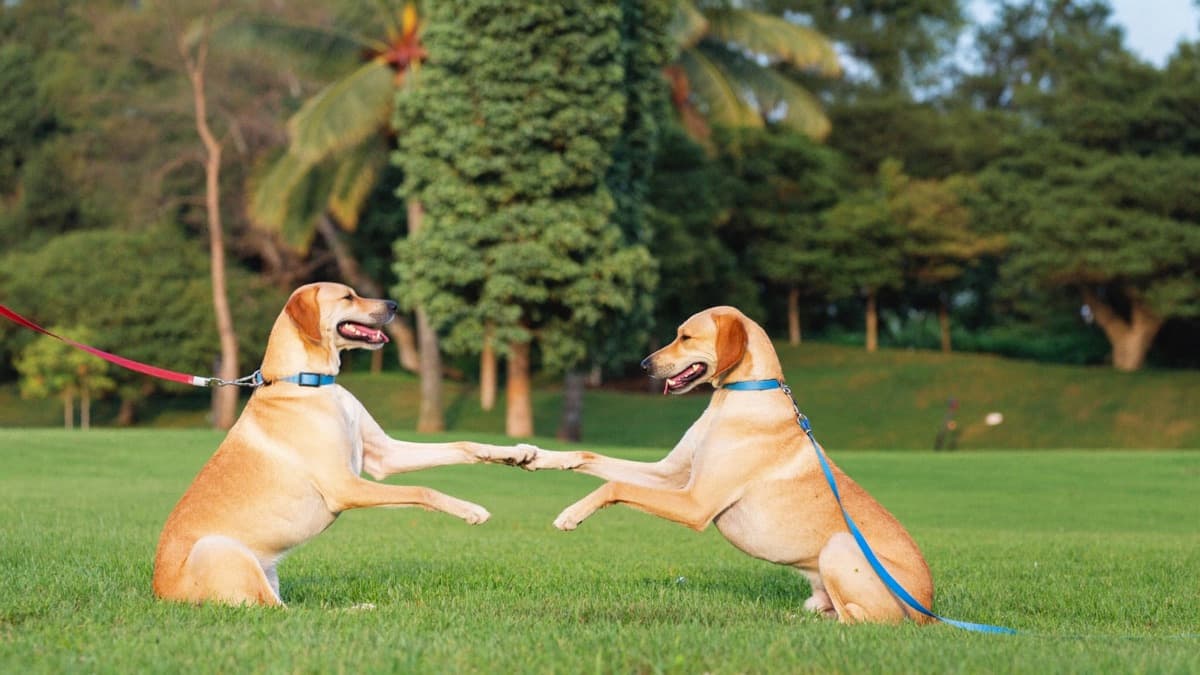
Is your household actually ready for dog two?
The honest checklist, before any cute adoption listing gets opened:
- Your first dog's behaviour debt doubles. Whatever your resident dog does now — leash reactivity, separation anxiety, guarding, poor recall — the second dog will learn it faster than they learn anything you teach. Dogs copy dogs. Fix the debt first; a second dog is a multiplier, not a cure.
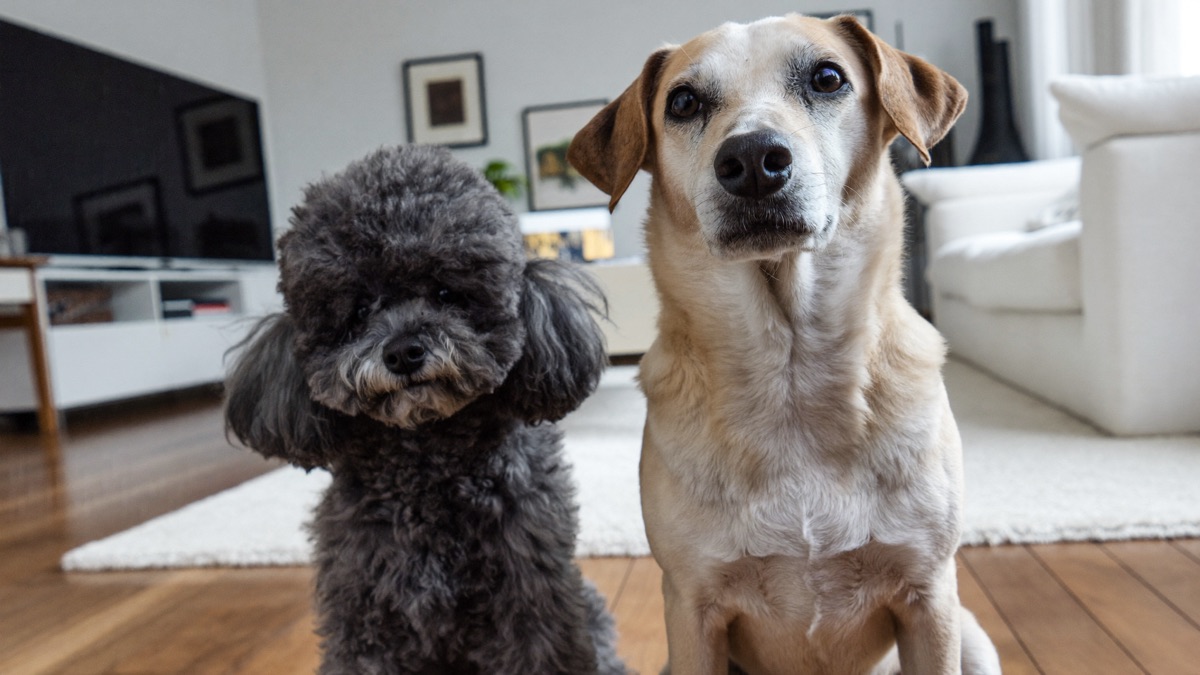
- Your first dog has to like dogs — not tolerate them at a distance: genuinely enjoy sustained company in shared space. An elderly dog who wants peace has a vote, and it counts.
- The budget doubles. Food, vaccines, insurance, boarding, and the vet bills that arrive in pairs — our cost of a dog guide is per dog, not per household.
- Time doesn't halve, it grows. Two dogs walked together still need individual training time, and a new dog needs months of separate attention.
What does the HDB one-dog rule mean for a second dog?
For HDB households, this section ends the conversation: HDB flats are licensed for one approved-breed dog per flat — there is no legal route to a second dog in an HDB flat. Project ADORE changes which dog can live in a flat (a local mixed-breed up to 55cm), not how many. A second dog means private housing, where AVS caps dogs at three per premises (condo by-laws can be stricter — check your MCST before committing). The full rules are in our HDB dog rules guide, and flat owners who breach them face fines up to S$4,000 plus, worse, a rehoming order for the dog. In Malaysia, check your local council's licence conditions — several limit dogs per landed property and most disallow dogs in high-rise strata housing.
How should the first meeting work?
Neutral ground, moving, brief. The goal of meeting one is nothing more than "that dog exists and nothing bad happened."
- Pick territory neither dog claims — a quiet park corner at an off-peak hour, not your void deck, lift lobby or living room.
- One handler per dog, loose leashes. Tension travels down the lead and manufactures exactly the reaction you fear.
- Parallel walk a few metres apart, same direction, dogs on the outside. Walking is the magic ingredient: shared motion, no confrontation geometry.
- Close the gap gradually over 10–20 minutes as both bodies stay loose — then allow a three-second sniff and call both dogs cheerfully onward before anyone commits to an opinion.
- Read the dogs, not the wagging. Loose curves, play bows, shake-offs = green. Stiffness, hard stares, freezes, one dog persistently hiding = add distance or end on a good note. Our body language guide is the dictionary.
Repeat the parallel walk on a second or third day if either dog was ambivalent. There is no prize for rushing this.
What are the home introduction rules?
Home is where introductions actually fail, because home is full of things worth guarding.
- Enter neutral. Walk both dogs together first, then enter the home together, resident dog first through the door.
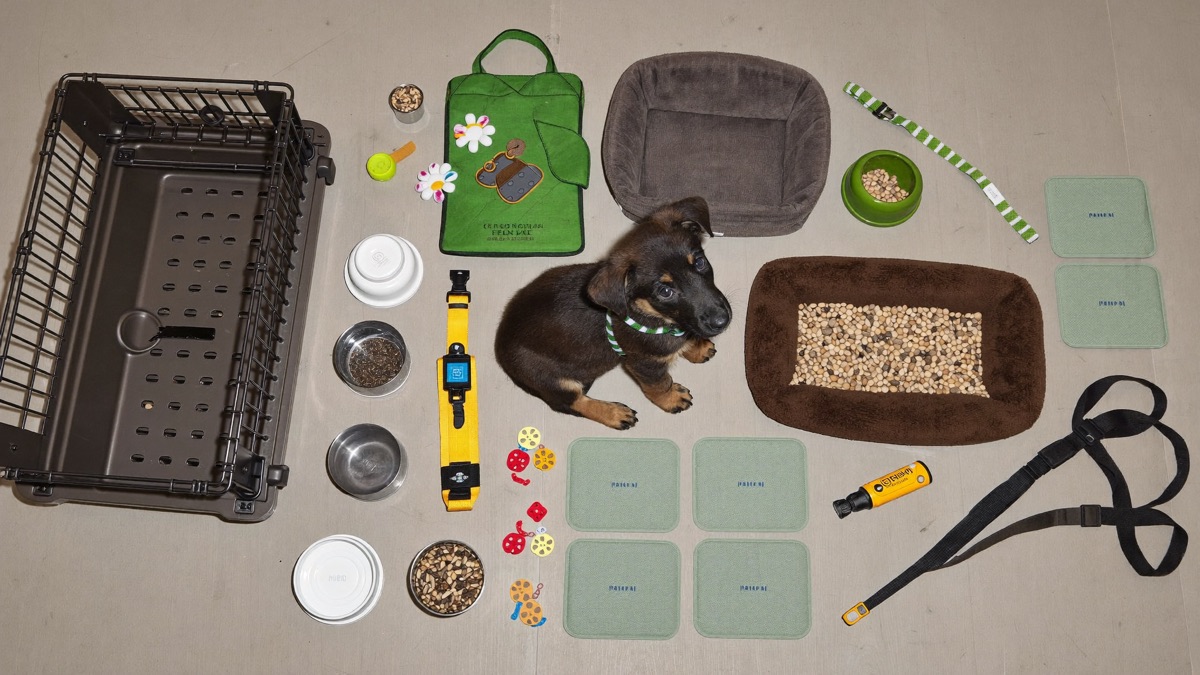
- Strip the floor beforehand: toys, chews, bowls, favourite beds — gone. Nothing worth resource guarding in shared space for the first weeks.
- Feed separately — different rooms or across a closed gate — and pick bowls up after.
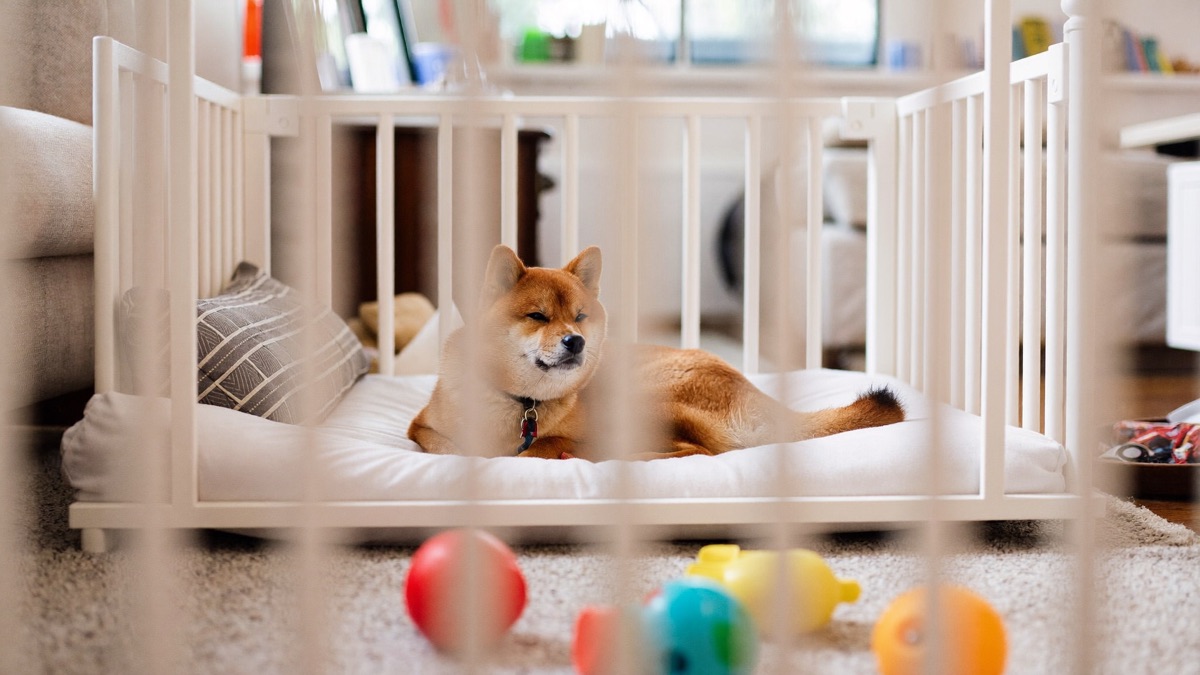
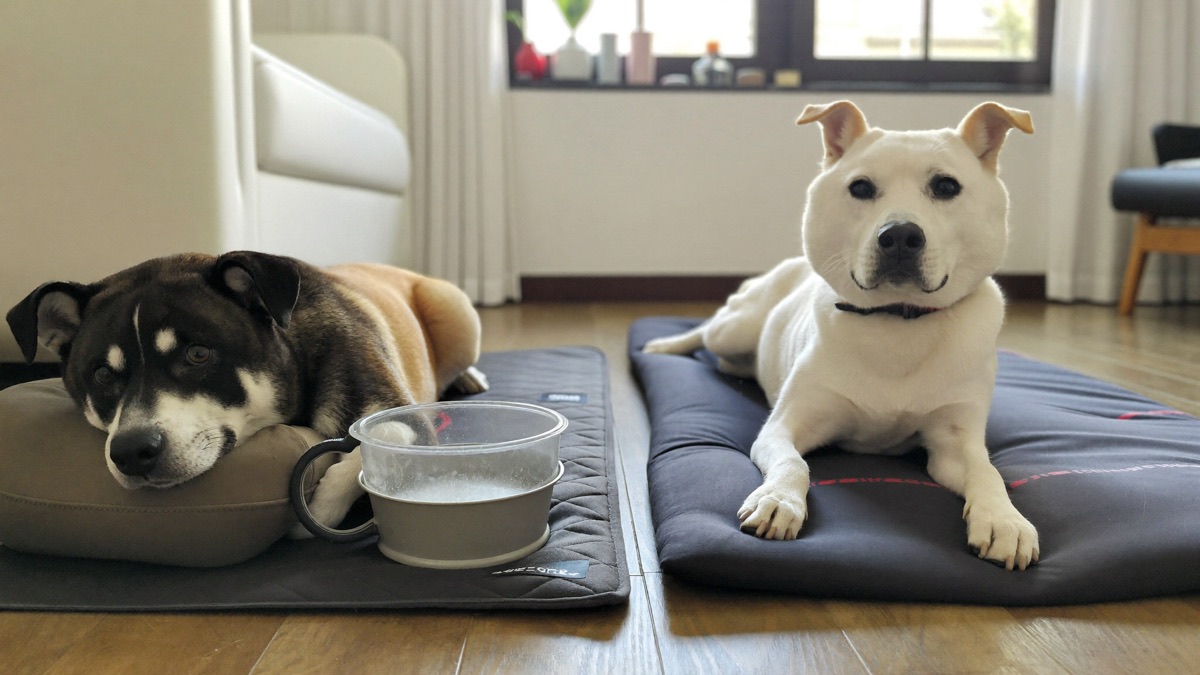
- Two of everything, far apart: beds, water points, resting zones. The new dog gets a pen or gated room as home base; freedom is earned in stages.
- Supervise all shared time, and enforce naps apart. Most early scraps are tiredness, not hatred.
- Protect the resident dog's rituals — same walk slot, same sofa rights, first greeting when you come home. Most "jealousy" problems are really a resident dog's routine collapsing overnight.
What is the 3-3-3 adjustment frame?
A rescue-world rule of thumb that fits second-dog introductions well: 3 days of overwhelm (the new dog shut down or over-amped — judge nothing yet), 3 weeks to learn the routine (real personality emerges, and squabbles peak as the newcomer starts testing), 3 months to feel at home (settled hierarchy, genuine play, the pair you imagined). The resident dog runs a parallel timeline. Expect week two or three to feel worse than day one — that's normal, not failure.
If you're seeing repeated freezes over resources, escalating scuffles, or any bite with contact, bring in an AVS-accredited trainer or a veterinary behaviourist early — two-dog problems are far easier to fix in month one than in year one.